Product Description
Worm Reduction Gearbox Gear box wheel Speed Reducer Jack Worm Planetary Helical Bevel Steering Gear Drive Nmrv Manufacturer Industrial Worm Reduction Gearbox
Application of Worm Reduction Gearbox
Worm reduction gearboxes are used in a wide variety of applications, including:
- Lifts: Worm reduction gearboxes are used in lifts to transmit power from the motor to the hoist.
- Elevators: Worm reduction gearboxes are used in elevators to transmit power from the motor to the elevator car.
- Wind turbines: Worm reduction gearboxes are used in wind turbines to transmit power from the blades to the generator.
- Mixers: Worm reduction gearboxes are used in mixers to transmit power from the motor to the mixing bowl.
- Conveyors: Worm reduction gearboxes are used in conveyors to transmit power from the motor to the conveyor belt.
- Machine tools: Worm reduction gearboxes are used in machine tools, such as lathes and milling machines, to transmit power from the motor to the cutting tool.
- Robotics: Worm reduction gearboxes are used in robotics to move the robot’s arms and joints.
Worm reduction gearboxes are a versatile type of gearbox that can be used in a wide variety of applications. They are characterized by their high torque and low speed. This makes them ideal for applications where a high amount of torque is needed, such as lifting and hoisting.
Here are some of the advantages of using worm reduction gearboxes:
- High torque: Worm reduction gearboxes can transmit a high amount of torque. This makes them ideal for applications where a lot of force is needed, such as lifting and hoisting.
- Low speed: Worm reduction gearboxes operate at a low speed. This makes them ideal for applications where noise and vibration are a concern.
- Compact size: Worm reduction gearboxes are typically small and compact. This makes them ideal for applications where space is limited.
- Low cost: Worm reduction gearboxes are relatively inexpensive. This makes them a good choice for budget-minded applications.
Overall, worm reduction gearboxes are a versatile, efficient, and cost-effective type of gearbox that can be used in a wide variety of applications.
Here are some specific examples of applications where worm reduction gearboxes are used:
- Lifts: Worm reduction gearboxes are used in lifts to transmit power from the motor to the hoist. The worm reduction gearbox provides the necessary torque and speed to the hoist, which allows it to lift heavy loads.
- Elevators: Worm reduction gearboxes are used in elevators to transmit power from the motor to the elevator car. The worm reduction gearbox provides the necessary torque and speed to the elevator car, which allows it to move smoothly and quietly.
- Wind turbines: Worm reduction gearboxes are used in wind turbines to transmit power from the blades to the generator. The worm reduction gearbox provides the necessary torque and speed to the generator, which allows it to generate electricity.
- Mixers: Worm reduction gearboxes are used in mixers to transmit power from the motor to the mixing bowl. The worm reduction gearbox provides the necessary torque and speed to the mixing bowl, which allows it to mix ingredients thoroughly.
- Conveyors: Worm reduction gearboxes are used in conveyors to transmit power from the motor to the conveyor belt. The worm reduction gearbox provides the necessary torque and speed to the conveyor belt, which allows it to move material efficiently.
- Machine tools: Worm reduction gearboxes are used in machine tools, such as lathes and milling machines, to transmit power from the motor to the cutting tool. The worm reduction gearbox provides the necessary torque and speed to the cutting tool, which allows it to cut through material smoothly and efficiently.
- Robotics: Worm reduction gearboxes are used in robotics to move the robot’s arms and joints. The worm reduction gearbox provides the necessary torque and speed to the robot’s arms and joints, which allows it to move smoothly and precisely.
| Application: | Motor, Electric Cars, Motorcycle, Machinery, Marine, Agricultural Machinery, Car |
|---|---|
| Function: | Distribution Power, Clutch, Change Drive Torque, Change Drive Direction, Speed Changing, Speed Reduction, Speed Increase |
| Layout: | Coaxial |
| Hardness: | Hardened Tooth Surface |
| Installation: | Horizontal Type |
| Step: | Steel |
| Samples: |
US$ 9999/Piece
1 Piece(Min.Order) | |
|---|
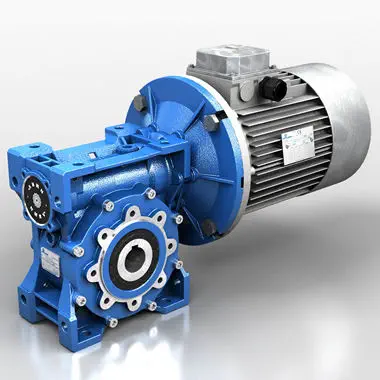
Calculating Torque Requirements for an NMRV Gearbox
Calculating torque requirements for an NMRV gearbox involves several steps: Identify Input Torque, Calculate Output Torque, Consider Efficiency, and Add Safety Margin.
- Identify Input Torque: Determine the input torque required by the application, taking into account factors such as load, speed, and efficiency.
- Calculate Output Torque: Use the gear ratio of the NMRV gearbox to calculate the output torque needed to achieve the desired output speed.
- Consider Efficiency: Take into account the efficiency of the NMRV gearbox. The actual output torque will be influenced by the gearbox’s mechanical efficiency.
- Add Safety Margin: To ensure reliable performance and account for variations in operating conditions, it’s recommended to add a safety margin to the calculated torque requirements.
Formula to calculate output torque: Output Torque = Input Torque × Gear Ratio × Gearbox Efficiency
Keep in mind that torque requirements can vary based on the specific application and factors such as load type, duty cycle, and environmental conditions. Consulting with gearbox manufacturers or engineering experts can help ensure accurate torque calculations for your NMRV gearbox application.
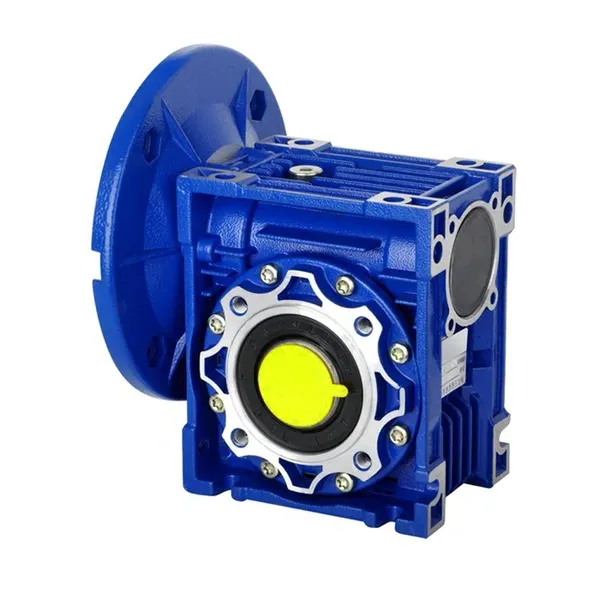
Lubrication for an NMRV Gearbox
Lubrication is essential for the proper functioning and longevity of an NMRV gearbox. The type and amount of lubricant required may vary depending on the gearbox model and manufacturer. Here are the general lubrication practices:
- Recommended Lubricants: Use the lubricants specified by the gearbox manufacturer. Typically, high-quality gear oils with the appropriate viscosity and additives are recommended.
- Initial Fill: Prior to the gearbox’s first operation, ensure that it is properly filled with the recommended lubricant to the correct level. Follow the manufacturer’s guidelines for the proper quantity.
- Lubricant Change: Regularly change the lubricant according to the manufacturer’s recommended intervals. Over time, lubricants can degrade due to heat and contamination, which can affect gearbox performance.
- Temperature Considerations: Gearboxes operating in extreme temperatures may require lubricants with specific temperature ranges to ensure proper viscosity and protection.
- Checking Levels: Periodically check the lubricant level in the gearbox to ensure it is within the specified range. This can prevent damage caused by insufficient lubrication.
- Oil Analysis: Some gearbox systems benefit from regular oil analysis to monitor lubricant condition and identify potential issues before they cause significant damage.
Proper lubrication practices contribute to reduced friction, wear, and heat generation within the NMRV gearbox, leading to improved efficiency and extended lifespan.
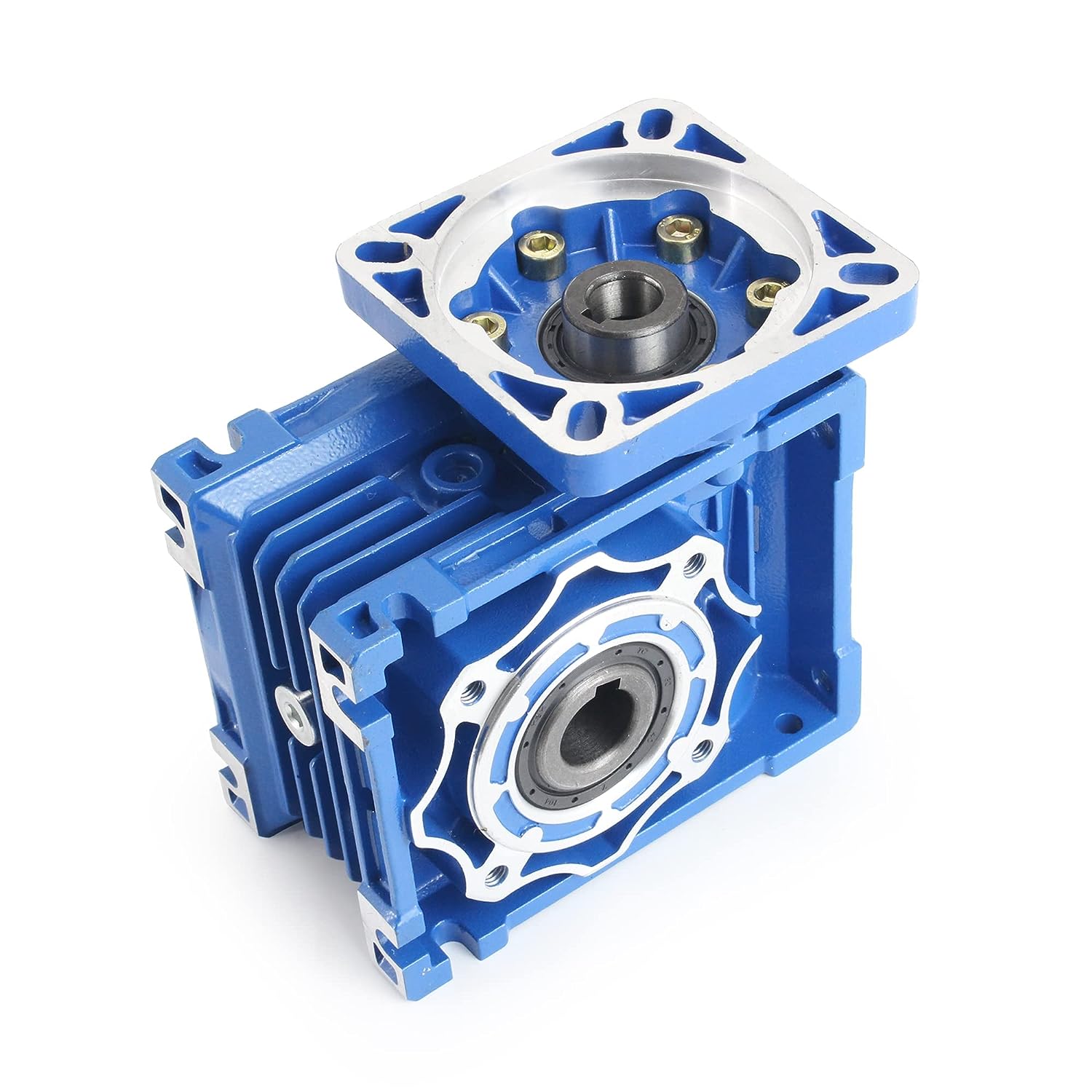
Scegliere la dimensione giusta del riduttore NMRV per la propria applicazione
La scelta del riduttore NMRV di dimensioni appropriate per la propria applicazione implica la considerazione di diversi fattori importanti:
- Potenza in ingresso: Determina il fabbisogno energetico della tua applicazione, includendo sia la velocità di ingresso che la coppia di uscita richiesta.
- Fattore di servizio: Bisogna tenere conto di eventuali sovraccarichi o condizioni impreviste che potrebbero verificarsi durante il funzionamento. L'applicazione di un fattore di servizio garantisce che il riduttore sia in grado di gestire i picchi di carico occasionali.
- Velocità di uscita: Calcola la velocità di uscita desiderata del riduttore. Questo è fondamentale per garantire che il riduttore soddisfi i requisiti della tua applicazione.
- Condizioni operative: Bisogna tenere conto delle condizioni ambientali in cui funzionerà il cambio, tra cui temperatura, umidità ed esposizione a polvere o agenti chimici.
- Montaggio e spazio: Valutare lo spazio disponibile per il montaggio del cambio e assicurarsi che rientri nelle dimensioni consentite.
- Configurazione dell'albero: Determinare se il riduttore richiede una configurazione specifica dell'albero o se sono necessari componenti aggiuntivi come i giunti.
- Tipo di applicazione: È importante considerare il tipo di applicazione in cui verrà utilizzato il riduttore, ad esempio sistemi di trasporto, agitatori, miscelatori o altre applicazioni specifiche.
- Caratteristiche di carico: Analizzare le caratteristiche del carico, incluso il tipo di carico (costante, intermittente, impulsivo), per assicurarsi che il riduttore sia in grado di gestire le variazioni di carico.
È fondamentale collaborare strettamente con i produttori o i distributori di riduttori, che possono fornire supporto tecnico e assistenza nella scelta del riduttore NMRV della dimensione più adatta alle specifiche esigenze applicative.


editor by CX 2023-09-07